
Ten research centers, one collective purpose
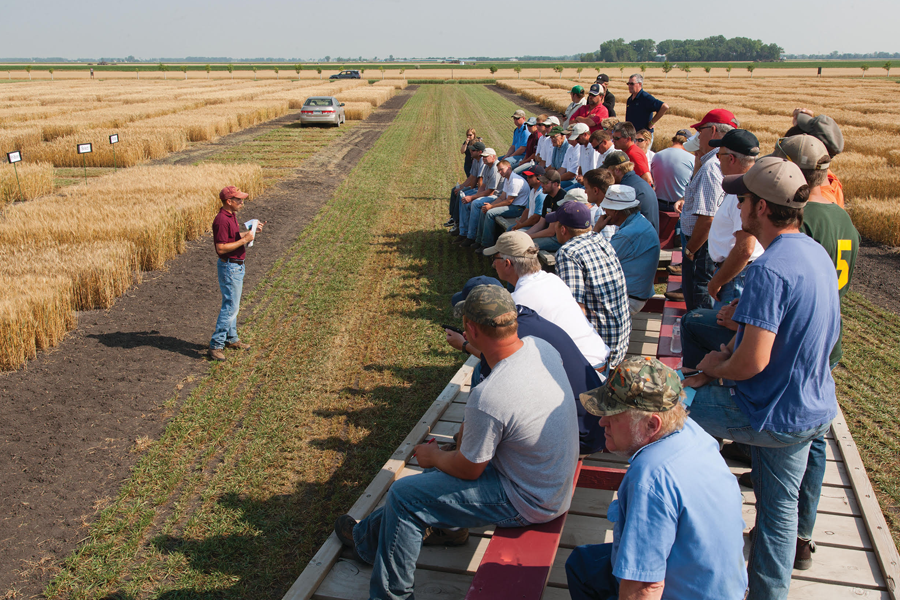
Place-based opportunities are a pillar of the ROC network, allowing students, researchers, and industry experts to work together to directly benefit the community.
The University of Minnesota’s ten Research and Outreach Centers (ROCs) play a crucial role in advancing agricultural and natural resource knowledge and innovation for Minnesotans. Strategically located across the state, ROCs offer diverse studies and engagement in specific agricultural challenges, including production, human health, and ecosystem resilience.
The College of Food, Agricultural and Natural Resource Sciences (CFANS) on the Twin Cities campus leads the ROC network, advancing an integral part of the University’s land-grant mission to improve the science and education of agriculture. Also in partnership with Extension—which works in every Minnesota county—the work of the ROCs can effectively reach professionals, hobbyists, or everyday people in greater Minnesota to better their lives.
Growing forward

A pivotal part of agricultural production is the productivity and profitability of crops. At the Southern Research and Outreach Center (SROC) in Waseca, researchers support farmers with efficient and effective production practices.
“We’re here to help farmers make the most of every acre and every animal with research-backed practices that boost yields, improve herd health, cut costs, and keep farms strong for the future,” says Jason Stenzel, SROC director of operations. “Our research turns data into decisions, helping farmers grow more with less, adapt to change, and thrive for generations to come.”
Eco-agriculture
The Sand Plain Research Farm (SPRF) in Becker is addressing water conservation and energy sustainability through precision agriculture, the process of selective resource use to increase productivity. Researchers trial water use per crop and planting in varied soil conditions to create ecologically friendly watering techniques in changing environments.
“We’re looking at how best to steward the land in these unique soil types to maximize not only the yield and the quality of the crop, but also making sure it’s economically feasible to help teach producers and growers techniques they can implement,” says Ron Faber, ROC system operations manager.
The SPRF also leads the University’s irrigation research, creating and testing irrigation technology like water moisture sensors and metering application management tools to translate their impact to farmers. These tools also detect and course-correct nutrients like nitrogen from leaching into groundwater to protect and preserve water resources.

All-around powerhouse
In 2024, there were 612 total research trials happening across the ROCs. While each brings its niche to the University, some projects overlap, like horticulture and swine research, providing a robust research base for current and emerging agriculture and natural resource challenges in different geographical areas.
- At the North Central Research and Outreach Center (NCROC) in Grand Rapids and the Horticultural Research Center in Chaska, the University’s storied career of berry and apple breeding continues. As the northern-most land-grant horticultural research center in the continental U.S., the NCROC pushes the limits on cold-hardy plants to extend growing seasons.
- Both the West Central Research and Outreach Center in Morris and the Southern Research and Outreach Center are examining alternatives to swine feed to maintain nutrition and cost-effectiveness.
In a typical year, the ten centers host over 400 events that include field days, classes, tours, special events, and more, showcasing the University's land-grant mission in action.
“We have the opportunity to showcase and bring people in to learn about food systems and understand the impacts of natural resources here in Minnesota and the great work it takes to provide those opportunities to not only feed the world, but also support it,” says Faber.

Learn more about the Research and Outreach Centers.
CFANS and other University units will engage with around 30,000 farmers at Minnesota Farmfest, August 5-7, 2025, exhibiting research and resources to sustain the agriculture industry.
Categories
Campus